You wake up stiff. Your back aches after sitting too long. Your shoulder starts throbbing halfway through the day. You reach for another pain reliever, and within an hour, you feel better.
Until tomorrow.
If this cycle sounds familiar, you’re not alone. Millions of people live with chronic pain that seems to disappear temporarily with medication, only to return once it wears off. While pain medications certainly have their place, they often don’t address the underlying reason your body continues to hurt.
For many people, the real culprit is inflammation.
Understanding the connection between inflammation and chronic pain can completely change how you approach healing. Instead of chasing temporary relief, you can begin focusing on treatments that help your body resolve inflammation naturally and support long-term recovery.
If you’ve been searching for laser therapy for inflammation, this guide explains why inflammation matters, why pain keeps returning, and how High-Power Laser Therapy (HPLT) offers a drug-free solution designed to help your body heal.
What Is Inflammation?

One of the most common questions people ask is:
What is inflammation?
Inflammation is your body’s natural defense system. Whenever you experience an injury, infection, or tissue damage, your immune system sends specialized cells, proteins, and increased blood flow to the affected area.
This response is essential because it:
- Protects injured tissue
- Begins the healing process
- Removes damaged cells
- Fights infection
- Encourages tissue repair
Without inflammation, cuts wouldn’t heal, broken bones wouldn’t mend, and your immune system couldn’t protect you.
The problem isn’t inflammation itself.
The problem occurs when inflammation never completely turns off.
Instead of helping your body heal, it continues damaging healthy tissues, irritating nerves, stiffening joints, and keeping your pain cycle alive.
According to the National Institutes of Health (NIH), chronic inflammation is associated with numerous painful conditions affecting muscles, joints, tendons, ligaments, and connective tissues.
What Causes Inflammation?
Many people assume inflammation only happens after a major injury.
In reality, there are countless factors that contribute to ongoing inflammation.
Some of the most common include:
- Old injuries that never fully healed
- Repetitive movements at work
- Poor posture
- Arthritis
- Sports injuries
- Tendon and ligament damage
- Stress
- Poor sleep
- Excess weight
- Autoimmune conditions
- Overuse from exercise
- Previous surgeries
- Chronic spinal misalignment
Even if the original injury occurred months—or years—ago, your body may still be producing inflammatory chemicals that continue irritating surrounding tissues.
This is one reason people often say:
“I’ve had this pain forever, and nothing seems to make it go away.”
They’re treating the pain.
But they’re not treating the inflammation causing it.
Acute vs. Chronic Inflammation
Understanding acute vs chronic inflammation is one of the biggest mindset shifts in pain management.
Acute Inflammation
Acute inflammation is healthy.
Examples include:
- Spraining your ankle
- Pulling a muscle
- Recovering from surgery
- Getting a cut
Symptoms may include:
- Swelling
- Warmth
- Redness
- Tenderness
- Temporary pain
This type of inflammation usually lasts a few days or weeks before healing naturally.
It’s your body’s repair crew at work.
Chronic Inflammation
Chronic inflammation is different.
Instead of resolving after healing, the inflammatory process stays active.
The result can be:
- Persistent joint pain
- Neck pain
- Back pain
- Sciatica
- Tendon pain
- Plantar fasciitis
- Arthritis discomfort
- Muscle stiffness
- Reduced mobility
- Recurring injuries
Many chronic pain sufferers aren’t dealing with a new injury.
They’re dealing with tissue that’s trapped in an ongoing inflammatory cycle.
This explains why symptoms often improve temporarily with rest or medication but quickly return once daily activities resume.
Why Pain Medications Only Mask Symptoms
One of the biggest misconceptions about pain relief is believing that less pain automatically means healing has occurred.
Unfortunately, that’s often not the case.
Over-the-counter medications like ibuprofen or prescription pain medications primarily work by reducing pain signals or temporarily suppressing inflammatory chemicals.
They can absolutely be useful for short-term symptom management.
However, once the medication leaves your system, the underlying tissue damage and inflammation often remain.
Think of it like putting tape over your car’s “check engine” light.
The warning disappears.
The engine problem doesn’t.
This is why so many people find themselves trapped in a frustrating cycle:
Pain starts → Take medication → Feel better → Medication wears off → Pain returns → Repeat.
If the tissue itself hasn’t healed, the pain often comes back.
That’s why many patients begin searching for an anti-inflammatory treatment without medication—something that supports healing rather than simply masking discomfort.
How HPLT Reduces Inflammation Naturally
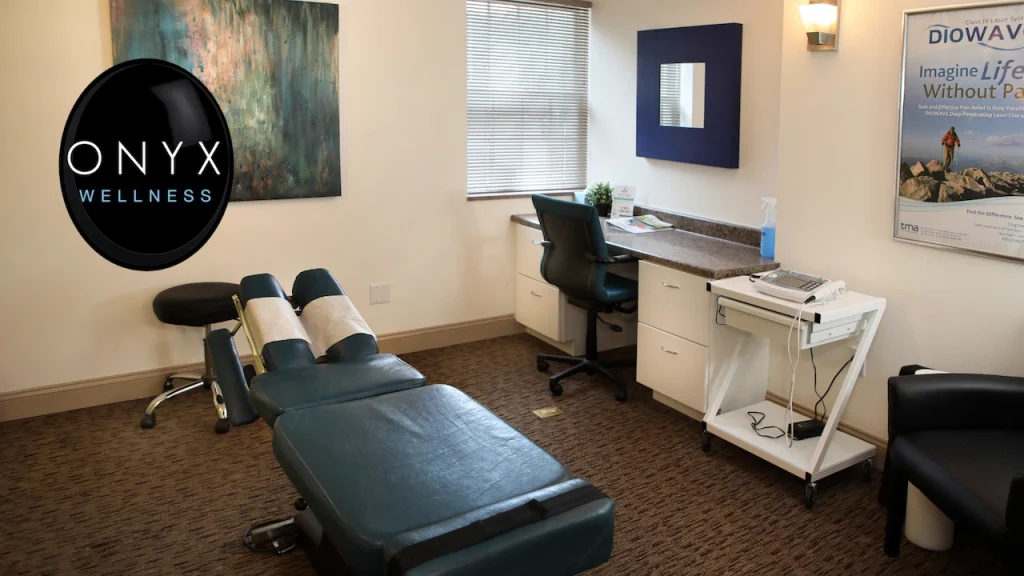
One of the most exciting advances in non-invasive pain care is High-Power Laser Therapy (HPLT).
Unlike treatments that only reduce symptoms temporarily, HPLT works by stimulating your body’s natural healing processes at the cellular level.
This process, known as photobiomodulation, uses specific wavelengths of therapeutic light to interact with damaged tissue.
Research has shown that laser therapy may help:
- Reduce inflammatory chemicals
- Improve circulation
- Increase oxygen delivery
- Stimulate cellular energy production (ATP)
- Accelerate tissue repair
- Decrease swelling
- Reduce muscle spasms
- Improve nerve function
- Support faster healing
Instead of simply covering up pain, laser therapy for inflammation helps create an environment where damaged tissues can actually recover.
Many patients notice improvements in:
- Back pain
- Neck pain
- Shoulder injuries
- Knee pain
- Hip pain
- Plantar fasciitis
- Tennis elbow
- Sciatica
- Arthritis-related discomfort
- Sports injuries
Because HPLT is non-invasive and drug-free, it’s an excellent option for individuals looking for an anti-inflammatory treatment without medication.
Natural Ways to Reduce Inflammation

While advanced therapies like HPLT can significantly accelerate healing, reducing inflammation often works best when combined with healthy lifestyle habits.
Some effective natural ways to reduce inflammation include:
Eat an Anti-Inflammatory Diet
Focus on:
- Fruits
- Vegetables
- Healthy fats
- Fish rich in omega-3 fatty acids
- Nuts
- Whole grains
Limiting highly processed foods and excess sugar may also help reduce inflammatory activity.
Improve Sleep
Poor sleep can increase inflammatory markers throughout the body.
Aim for seven to nine hours of quality sleep whenever possible.
Stay Active
Gentle movement increases circulation and prevents joints from becoming stiff.
Walking, stretching, swimming, and mobility exercises are excellent choices for many chronic pain sufferers.
Manage Stress
Long-term stress elevates hormones that contribute to inflammation.
Deep breathing, meditation, exercise, and mindfulness can all support recovery.
Address Mechanical Problems
Poor posture, spinal dysfunction, or joint restrictions can continually irritate tissues.
Combining therapies like Chiropractic Care with laser therapy often helps address both the structural and inflammatory causes of pain.
Support Whole-Body Health
Inflammation isn’t always isolated to one painful area.
Addressing nutrition, hormone balance, gut health, and lifestyle factors through functional medicine can help uncover additional contributors to chronic inflammation.
Why Combining Treatments Often Works Best
Pain rarely has just one cause.
That’s why comprehensive care tends to produce better long-term outcomes than relying on a single treatment.
At Onyx Wellness, many patients benefit from combining:
- HPLT Pain Laser Therapy
- Chiropractic care
- Functional medicine
- Personalized rehabilitation
- Lifestyle recommendations
Rather than asking, “How do we stop today’s pain?”
The better question becomes:
“Why is this tissue still inflamed?”
When you answer that question, healing becomes much more sustainable.
You Don’t Have to Stay Stuck in the Pain Cycle
If you’ve spent months—or even years—managing pain with medications that only provide temporary relief, it may be time to take a different approach.
Pain is often your body’s way of telling you that healing is incomplete.
Instead of simply covering up symptoms, treating inflammation at its source may help you experience longer-lasting relief, improved mobility, and a better quality of life.
High-Power Laser Therapy offers a safe, evidence-informed, non-invasive option for helping your body reduce inflammation naturally and recover more effectively.
If you’re ready to explore whether laser therapy for inflammation is right for you, the team at Onyx Wellness can help create a personalized treatment plan focused on healing—not just symptom management.
Schedule a consultation today and take the first step toward addressing the root cause of your pain.
Frequently Asked Questions
What is inflammation?
Inflammation is your body’s natural healing response to injury, infection, or tissue damage. While short-term inflammation is beneficial, chronic inflammation can contribute to ongoing pain, stiffness, and reduced mobility.
What’s the difference between acute and chronic inflammation?
Acute inflammation is temporary and helps the body heal after an injury. Chronic inflammation persists long after healing should have occurred and may contribute to ongoing conditions like arthritis, chronic back pain, tendon injuries, and joint pain.
Do anti-inflammatory medications actually fix the problem?
Not usually. Most anti-inflammatory medications temporarily reduce pain and inflammation, but they don’t repair damaged tissue or address the underlying cause of chronic inflammation. Once the medication wears off, symptoms often return if healing hasn’t occurred.
Can laser therapy reduce inflammation naturally?
Yes. High-Power Laser Therapy (HPLT) uses photobiomodulation to stimulate cellular repair, improve circulation, and reduce inflammatory activity. Research suggests it can support the body’s natural healing process without medication or surgery.
Is laser therapy safe?
When performed by trained healthcare professionals, HPLT is considered a safe, non-invasive treatment with minimal side effects. Most patients experience little to no discomfort during treatment and can return to normal activities immediately afterward.
References
- National Institutes of Health (NIH). Inflammation and Chronic Disease.
- PubMed. Research on photobiomodulation (low-level and high-power laser therapy) for musculoskeletal pain and inflammation.
- Centers for Disease Control and Prevention (CDC). Resources on chronic disease and inflammation.