If you’ve felt sharp pain from your lower back down your leg, or persistent neck pain, you may have heard the terms herniated disc and sciatica used interchangeably. Patients often say things like:
- “I think I have sciatica.”
- “My doctor said my neck pain might be a herniated disc.”
- “My leg hurts, but the pain starts in my back.”
Getting confused is easy—these conditions closely relate and can occur together, but they differ. Understanding the difference helps you choose a treatment that addresses the root cause and provides long-term relief.
At Onyx Wellness, we focus on the real cause of your spinal pain.
We offer conservative, non-surgical treatments, including spinal decompression therapy for disc injuries.
In this guide, we’ll explain:
- What a herniated disc actually is
- Why it often causes sciatica symptoms
- Why common treatments sometimes fail
- How non-surgical therapies can address the underlying problem
What Is a Herniated Disc?
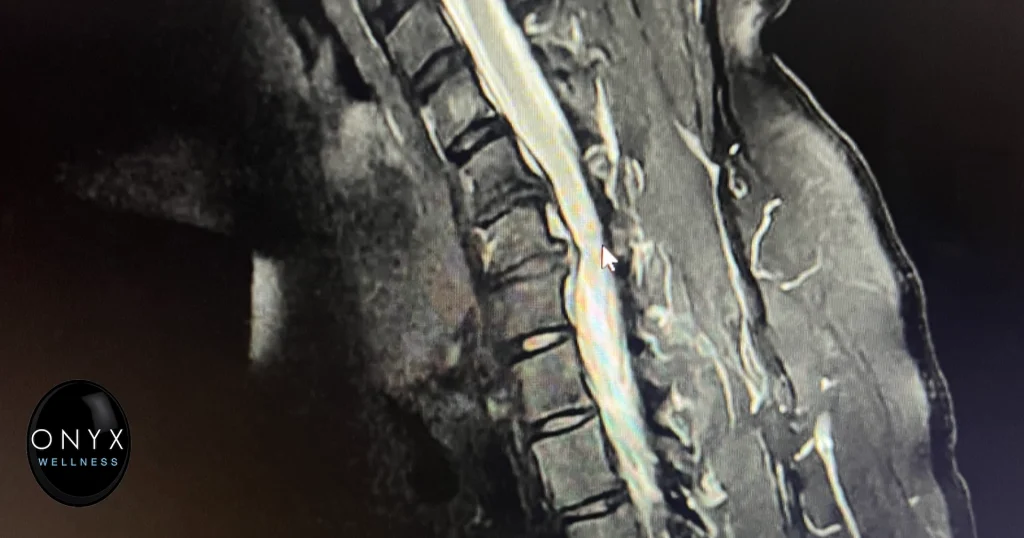
Your spine is an incredibly complex structure designed to support movement, absorb shock, and protect the spinal cord.
Between each vertebra is an intervertebral disc. It acts like a cushion and absorbs pressure during daily activities like walking, bending, and lifting.
Each disc has three key components:
1. The Nucleus Pulposus (Gel-Like Center)
The nucleus pulposus is the soft, gel-like center of the disc that acts as a shock absorber. This material distributes pressure evenly throughout the spine when you move.
2. The Annulus Fibrosus (Outer Rings)
Surrounding the nucleus are concentric rings of strong fibers called the annulus fibrosus. These rings provide strength and stability, keeping the gel-like center contained within the disc.
3. Cartilaginous Endplates
On the top and bottom of each disc are cartilage endplates that anchor the disc between the vertebrae above and below.
These endplates also allow nutrient exchange, helping the disc stay healthy.
Bulging Disc vs Herniated Disc
Many patients hear these terms and assume they mean the same thing, but they describe different stages of disc damage.
Bulging Disc
A bulging disc happens when the nucleus pulposus pushes against the annulus fibrosus. This causes the disc to stick out slightly.
However, the outer ring remains intact, meaning the gel center has not leaked through.
Bulging discs are extremely common and may not always cause symptoms.
Herniated Disc
A herniated disc occurs when the nucleus pulposus penetrates through the annulus fibrosus.
When this happens, the disc material can:
- Press on nearby nerves
- Trigger inflammation
- Cause radiating pain
This pressure on the spinal nerves is what leads to symptoms like:
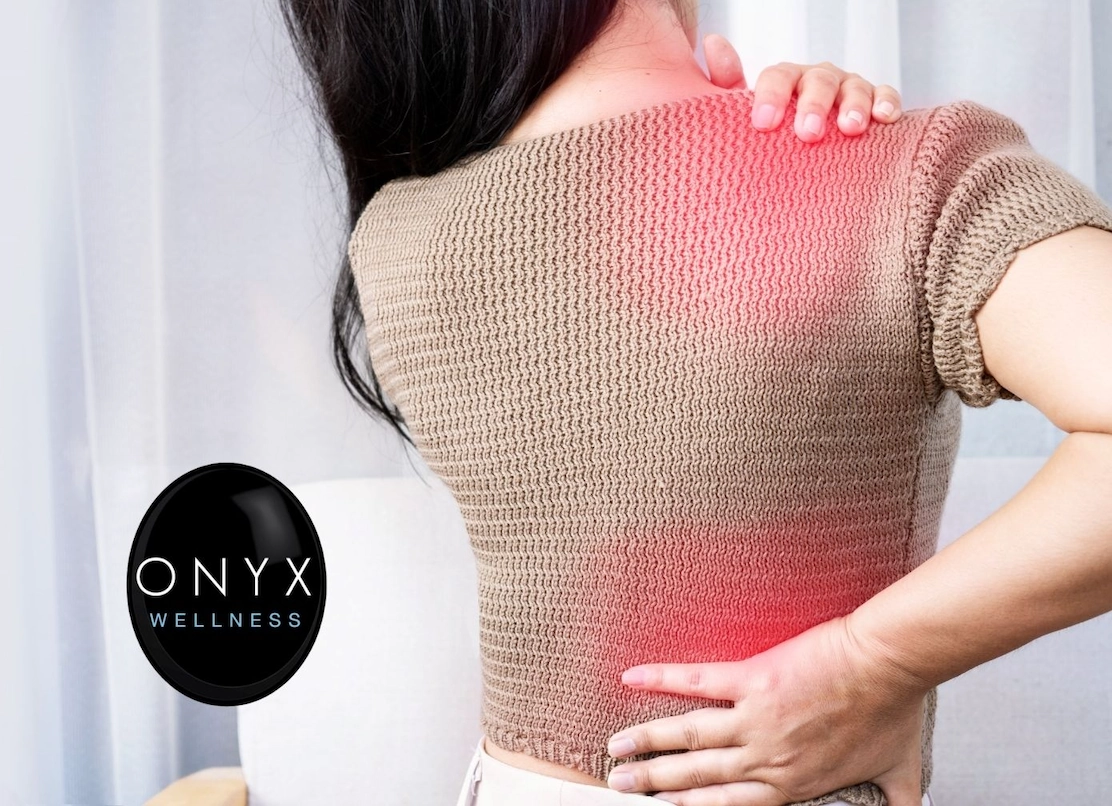
- Sharp lower back pain
- Pain traveling down the leg
- Numbness or tingling
- Muscle weakness
These symptoms are often what patients describe as sciatica.
How Disc Pressure Happens
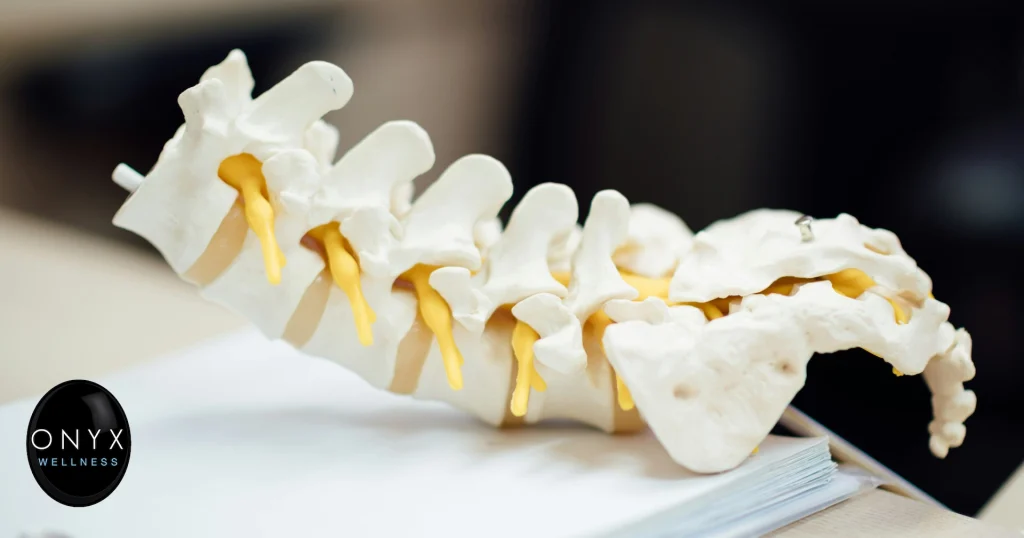
Spinal discs are designed to handle pressure. However, certain postures, movements, and lifestyle factors can increase stress on the discs over time.
The most common causes of increased disc pressure include:
- Bending at the waist repeatedly
- Sitting in a slouched posture
- Lifting with a flexed spine
- Twisting while lifting
- Weak core musculature
- Age-related degeneration
When these stresses occur repeatedly, the annulus fibrosus can begin to weaken. Eventually, the nucleus pulposus may push through the weakened area, resulting in a disc herniation.
Why Herniated Discs Cause Inflammation
Pain from a herniated disc is not caused solely by mechanical pressure.
When the disc material leaks outward, the body responds with inflammation.
This inflammatory response includes:
- Increased blood flow
- Immune cell activation
- Chemical mediators that sensitize nerves
These inflammatory chemicals cause nerves to become more sensitive, which can result in sensations such as:
- Burning
- Tingling
- Sharp shooting pain
- Electric-like pain down the leg
This inflammatory nerve irritation is what creates the classic symptoms people associate with sciatica. At Onyx Wellness, our team of specialists evaluates each patient’s condition to determine the best personalized approach. Learn more about our providers on the Meet the Doctors page.
What Is Sciatica?
Unlike a herniated disc, sciatica is not a diagnosis.
Instead, sciatica is a symptom.
Sciatica is pain, tingling, or numbness that travels along the sciatic nerve. It runs from the lower spine through the hips and down each leg.
Common symptoms include:
- Pain radiating down one leg
- Burning or electric sensations in the leg
- Numbness in the calf or foot
- Tingling in the toes
- Weakness in the leg muscles
The key thing to understand is that sciatica occurs because something is irritating or compressing the sciatic nerve.
In many cases, the underlying cause is a herniated disc in the lower spine.
Common Causes of Sciatica
Several spinal conditions can irritate the sciatic nerve.
The most common include:
Herniated Disc
A herniated disc in the lumbar spine can press directly on the nerve roots that form the sciatic nerve.
This is the most common cause of sciatica.
Spinal Stenosis
Spinal stenosis occurs when the spaces within the spine narrow, putting pressure on nerves.
This condition often develops because of arthritis and age-related changes.
Degenerative Disc Disease
Over time, spinal discs naturally lose hydration and elasticity. This degeneration can reduce disc height and create pressure on nerves.
Bone Spurs
Bone spurs may form along the spine and compress nearby nerve structures.
Why Your Leg Hurts When the Problem Is in Your Back
One of the most confusing aspects of sciatica is that the pain is often felt in the leg rather than the back.
This happens because of how nerves work.
When a nerve root in the lower spine becomes compressed or inflamed, the brain interprets pain along the entire nerve pathway.
For the sciatic nerve, that pathway includes:
- The lower back
- The buttock
- The back of the thigh
- The calf
- The foot
This is why a disc injury in the spine can cause pain that travels all the way down the leg.
Why Stretching and Pain Medication Don’t Fix the Problem
Many patients try a variety of treatments before seeking specialized care.
These may include:
- Stretching programs
- Over-the-counter pain medications
- Rest
- Cortisone injections
While these approaches may provide temporary relief, they often fail to address the structural cause of the problem.
Rest Alone May Worsen Symptoms
Rest is sometimes recommended during the acute phase of injury, but prolonged inactivity can actually make symptoms worse.
When you stop moving for long periods:
- Muscles weaken
- Core stability decreases
- Spinal support declines
This loss of muscular support can place even more stress on the injured disc.
Muscle-Focused Treatments Miss the Root Cause
Massage and stretching therapies often focus on muscles.
However, when pain comes from a disc pressing on a nerve, muscle treatments usually give only short-term relief.
The underlying disc pressure remains unchanged.
Injections May Provide Temporary Relief
Epidural steroid injections are sometimes used to reduce inflammation around spinal nerves.
These injections may reduce pain for a short time, but they do not fix the disc. They also do not relieve mechanical pressure on the nerve.
For many patients, this results in a cycle of repeated injections without long-term improvement.
How Spinal Decompression Helps
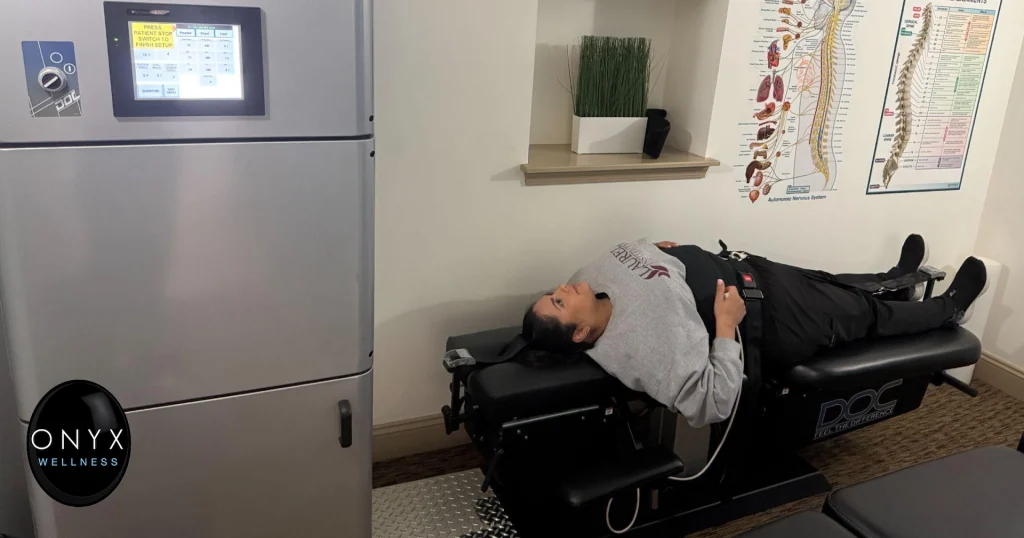
When a herniated disc causes sciatica, treatment should reduce disc pressure and restore normal spinal mechanics.
One of the most effective forms of non-surgical disc treatment is spinal decompression for herniated disc injuries. Patients looking for herniated disc treatment in PA often benefit from therapy that reduces disc pressure. It can also improve spinal alignment without surgery.
Spinal decompression is a specialized therapy designed to gently stretch the spine in a controlled way.
This process creates negative pressure inside the disc. It can help pull the herniated material back to its normal position.
Benefits of Spinal Decompression
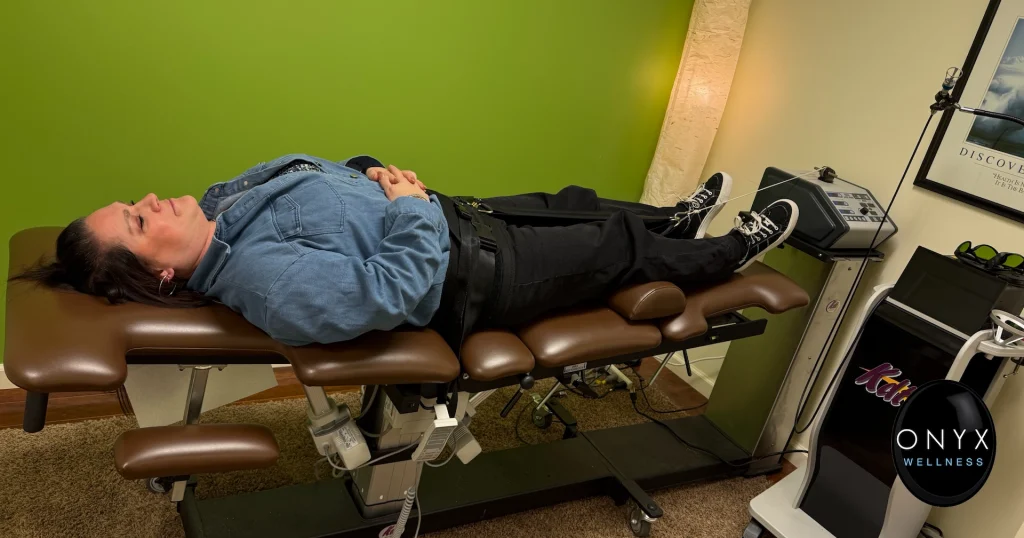
Spinal decompression works by addressing several key aspects of disc injury.
Reduces Disc Pressure
By creating negative pressure within the disc, decompression helps relieve pressure on compressed nerves.
This can reduce:
- Leg pain
- Numbness
- Tingling
Improves Circulation
Discs have very limited blood supply.
Decompression helps improve the flow of nutrients and oxygen, supporting the body’s natural healing process.
Targets the Root Cause
Instead of masking symptoms, decompression therapy addresses the mechanical cause of nerve compression.
This allows many patients to experience long-term relief.
What Research Shows
Clinical studies have shown strong results for spinal decompression therapy.
Research has demonstrated that:
- Approximately 86% of patients experience pain relief
- Around 84% show improvement in disc bulges or herniations
These outcomes make decompression therapy a powerful option for patients seeking disc pain relief without surgery.
If you’re interested in learning more, visit our page on: Spinal Decompression Therapy in Greensburg and Leechburg.
When to See a Spine Specialist

Many cases of mild back pain improve within a few weeks.
However, certain symptoms suggest that a more serious underlying condition may be present.
You should consider consulting a spine specialist if you experience:
Pain Lasting Longer Than Six Weeks
Persistent pain may indicate structural issues like a herniated disc or nerve compression.
Radiating Leg Pain
Pain traveling down the leg is a hallmark sign of sciatic nerve irritation.
Numbness or Tingling
These neurological symptoms may signal nerve involvement that requires evaluation.
Muscle Weakness
Weakness in the leg or foot can indicate more significant nerve compression.
History of Spine Surgery
Patients who have had prior spinal procedures often benefit from specialized evaluation and conservative care options.
You should consider seeing a spine specialist if your symptoms persist.
These symptoms may include radiating pain, numbness, tingling, or muscle weakness.
At Onyx Wellness, our providers specialize in identifying the root cause of spinal conditions and developing personalized treatment plans.
Finding the Right Treatment for Herniated Disc and Sciatica
If you’re dealing with persistent back or leg pain, the most important step is identifying the true cause of your symptoms.
While sciatica describes the pain pattern, the underlying problem is often a herniated disc creating nerve pressure.
The good news is that many patients can improve a lot with non-surgical treatments. These treatments aim to restore spinal function.
At Onyx Wellness, we focus on finding the root cause of your spinal pain.
We then create a personalized treatment plan that may include:
- Chiropractic care
- Spinal decompression therapy
- Laser therapy
- Movement and rehabilitation strategies
The goal is not just temporary relief, but lasting improvement in spinal health and quality of life.
Schedule a Consultation
If you are searching for sciatica treatment in Greensburg, PA, or herniated disc treatment in PA, get help early. Early treatment can stop symptoms from getting worse.
Learn more about non-surgical disc treatment options and spinal decompression for herniated disc injuries.
Meet our spine care team and learn about our treatment approach.